
Voice Therapy for Presbyphonia in Melbourne and Online
Did you know that some people may develop voice difficulties as they age? This specific voice disorder experienced by older adults is called ‘presbyphonia.’
Presbyphonia refers to age- related voice difficulties experienced by older adults. You may have also come across terms such as "ageing voice" or "aged voice." As part of normal aging, the structure and function of the vocal folds (cords) and larynx (voice box) alter and change. These changes can affect how we use our voice and how it sounds.
Healthy voicing requires a careful balance of breath (airflow from the lungs), phonation (periodic vibration of the vocal folds), and resonance (the filtering of sound waves in the vocal treact). As you age, the disruption to this careful balance due to hormonal, tissue and cartilage changes may result in noticeable vocal changes such as:
- pitch alterations
- reduced voice quality (e.g., breathy, shakiness, roughness) and.
- decreased volume and projection
Changes in the voice due to presbyphonia can significantly impact your quality of life and impact on your social participation due to decreased comfort and function vocally.
Who can experience age-related voice difficulties? 🤔
Research suggests that 30% of people 65 years and over may experience age-related voice difficulties (presbyphonia).
It's essential to rule out other contributing factors (e.g., neurological, autoimmune or metabolic conditions), as age-related voice difficulties (presbyphonia) can look similar.
What are some typical symptoms?
The following symptoms are common with age-related voice difficulties:
- hoarseness
- breathiness
- vocal strain
- vocal fatigue
- changes in pitch
- decreased speech rate
- voice projection difficulties
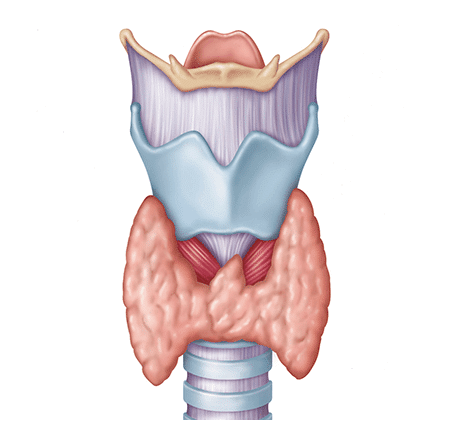
Medical examinations conducted by an Ear, Nose and Throat specialist will often show a "bowing" of the vocal fold edges, increased vocal fold thickness, decreased size/ wasting, discoloruation, and a reduction in the ideal wave-like movement of the vocal folds during vibration.
The bowing of the vocal folds creates an opening at the midline, which results in increased air escape into the vocal tract comparative to harmonic vibrations, resulting in a breathy voice quality and reduced volume. The gap between the vocal folds can vary depending on the extent and severity of age-related changes.
Why has my voice pitch changed?
Voice pitch change is frequent with presbyphonia. Women often notice a lower pitch initially, but their pitch can incresae over time. On the otherhand, men typically experience an increased voice pitch with age due to lengthening of the vocal folds as they strive to seek closure at midline, causing faster (and thus higher) vibrations.
How are age-related voice difficulties treated?
Research confirms that voice therapy is an effective approach to treating age-related voice difficulties (presbyphonia). We may also recommend other changes to assist your voice, such as environmental modifications (improving room acoustics, reducing background noise) and some voice maintenance tips and tricks to support and maintain your vocal health. You may notice a decrease in saliva and mucous production as you age. This leads to a thickening of secretions and less lubrication for the vocal folds, impacting how smoothly your voice vibrates (mucosal wave). That’s why it’s crucial to stay hydrated!
Voice therapy is typically recommended as a starting point before surgical management is considered to improve the closure of the vocal folds. However, if you need vocal fold surgery for age-related voice difficulties (presbyphonia), speaking to a speech pathologist before and after the surgery is essential. Your speech pathologist will give you voice therapy techniques so that your voice can safely recover.
What voice exercises are recommended for age-related voice difficulties?
Age-related voice disorders (presbyphonia) result from reduced functioning of the different parts of the vocal tract, so voice exercises will mainly focus on achieving better coordination of breath/phonation/resonance, reducing vocal effort or potential strain, and achieving vocal fold closure.
Voice exercises for presbyphonia may include:
- Respiratory support exercises
- Posture evaluation
- Respiratory support work
- Lip trills
- Pitch extension exercises
- Resonant voice exercises
Don’t worry if these seem foreign to you! These are just some examples of what voice tasks your speech pathologist may work on with you in sessions.
I think I have presbyphonia, what should I do?
Consult a speech pathologist with expertise in voice assessment and therapy or consider visiting an ENT.
At the bottom of this page, you’ll find our Voice Therapy Query Form. Filling that out is the best way to get in touch and set the wheels in motion to improve your vocal health and function.
Take a look at our Diagnostic Voice Assessment to get started.
On the other hand, let’s say you’ve already seen an ENT, you have a diagnosis of presbyphonia and you reach out to us for voice therapy. In this case, it’s important that you provide us with any assessment information from your ENT so we’re working as a team and know what their recommendations are. As well as that, our Diagnostic Voice Assessment is still an important starting point so that our clinicians are introduced to your current vocal function and voice quality (which is often hard to fully gauge from written descriptions and diagnosis alone!).
Whichever way you come through, we’re here to guide you through the process. You can find out more about Voice Science’s voice therapy options here.
As an absolute first step, we recommend that you submit our Voice Therapy Query Form below and we’ll get back to you to guide you through the rest of the process!
Book a diagnostic voice assessment now
Voice Science provides vocal nodules therapy in Melbourne to local clients. You can book for face to face voice therapy sessions in our St Kilda Road clinic in Melbourne. If you don’t live in Melbourne and want to do voice treatment with us, don’t worry! We also give online voice therapy sessions for clients located elsewhere in Australia or overseas.
Voice Science provides evidence based voice therapy for Presbyphonia in Melbourne and online.
Make a query and find out more about our voice therapy….
References
-
Bradley, J. P., Hapner, E., & Johns III, M. M. (2014). What is the optimal treatment for presbyphonia?. The Laryngoscope, 124(11), 2439-2440.
-
Colton, R., Casper, Janina K, & Leonard, Rebecca. (2006). Understanding voice problems : A physiological perspective for diagnosis and treatment (3rd ed.). Philadelphia, PA: Lippincott Williams & Wilkins.
-
Kendall, K. A., & Leonard, R. J. (Eds.). (2011). Laryngeal evaluation: indirect laryngoscopy to high-speed digital imaging. Thieme.
-
Martins, R. H. G., Gonçalvez, T. M., Pessin, A. B. B., & Branco, A. (2014). Aging voice: Presbyphonia. Aging clinical and experimental research, 26(1), 1-5.
-
Roy, N., Stemple, J.C., Merrill, R., & Thomas, L.B. (2004). Epidemiology of voice disorders in the elderly: Preliminary findings. The Laryngoscope, 117, 1-6.
-
Ziegler, A., Verdolini Abbott, K., Johns, M., Klein, A., & Hapner, E. R. (2014). Preliminary data on two voice therapy interventions in the treatment of presbyphonia. The Laryngoscope, 124(8), 1869-1876.
SCIENCE-VERIFIED VOICE CARE
Voice Science is Australia's focused voice diagnostic, therapy & solutions centre.
Level 14, 380 St Kilda Road, Melbourne, 3004
PRIVACY POLICY
POSITION STATEMENT ON AI
TERMS & CONDITIONS
POSITION STATEMENT ON RACISM